Cell Animations
Membrane Receptors
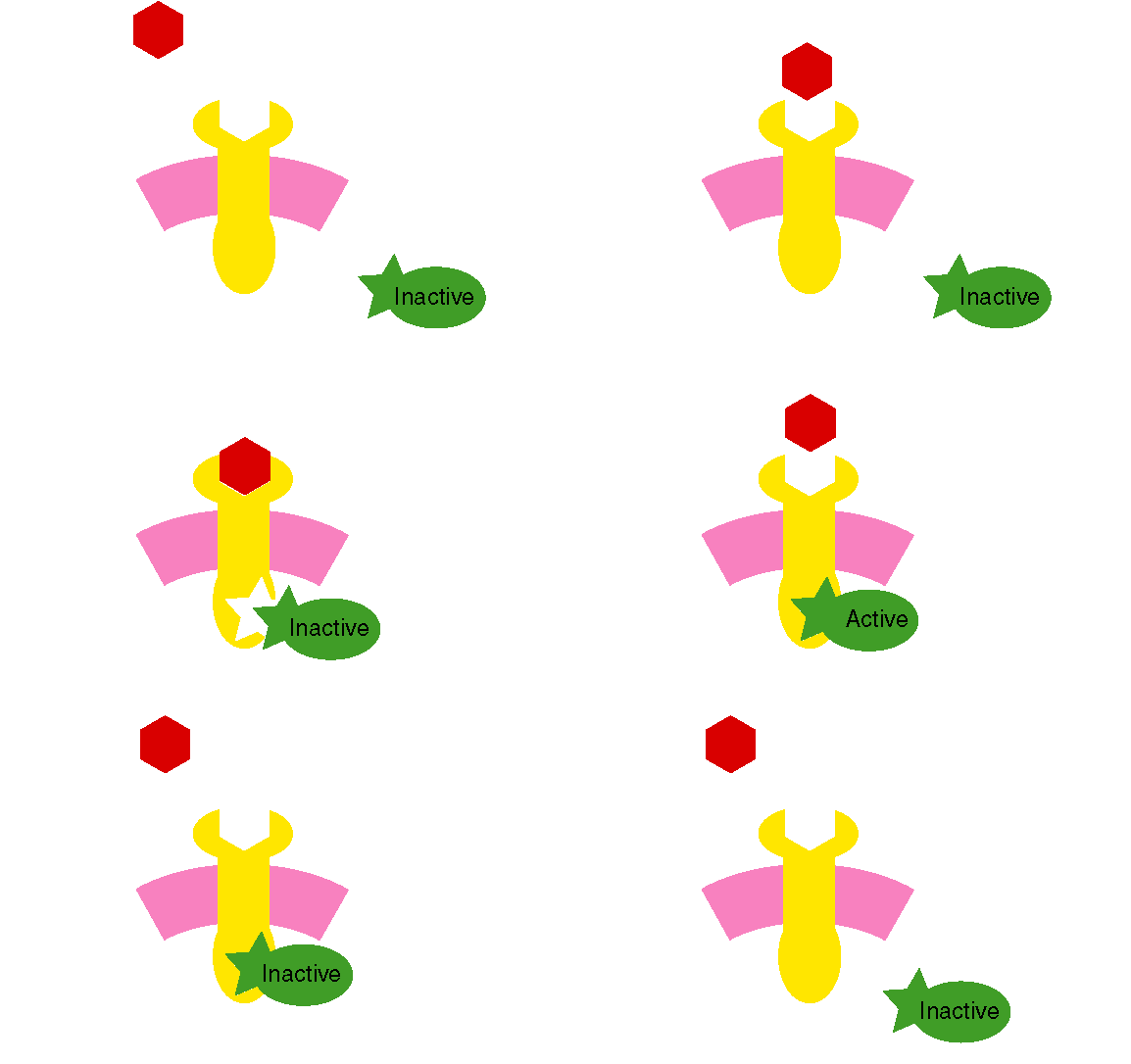
Membrane Receptor – an important concept in human physiology- uses the lock-and-key approach (shape determines function) to allow a molecule of a particular shape to trigger a change in chemical activity
Golgi Apparatus
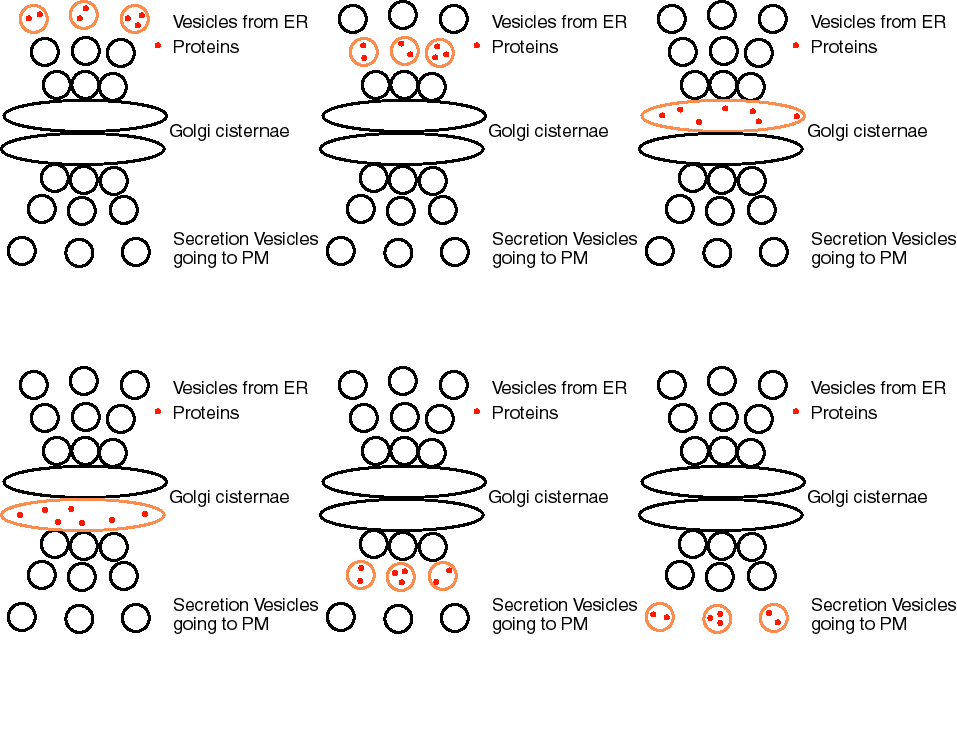
Golgi Apparatus. This animation shows how material moves through the Golgi system, eventually producing vesicles (perhaps secretion vesicles [SV] heading for the plasma membrane [PM])
Centrosome
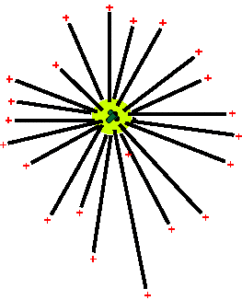
Centrosome. Notice the pair of centrioles at the center and the associated microtubules extending from the centrosome (MTOC; microtubule organizing center). This image is not animated.
Simple Diffusion
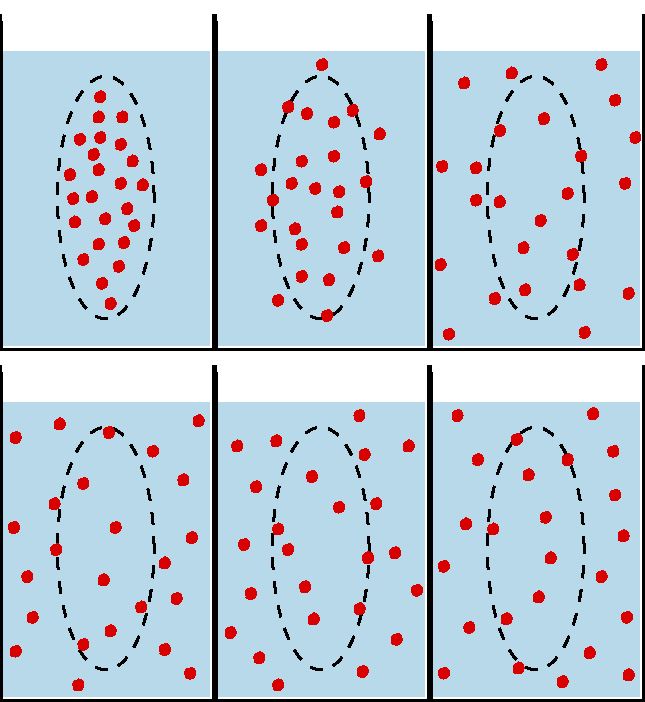
Simple diffusion – the red particles are moving from an area of high concentration to areas of lower concentration (in this case, through channels in a membrane)
Carrier-Mediated Passive Transport
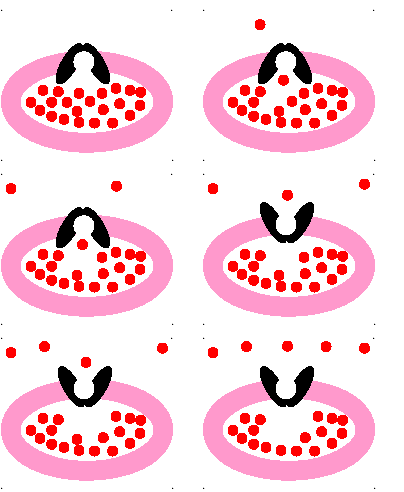
Carrier-mediated passive transport = facilitated diffusion
Similar to above model of simple diffusion, except particles move through a carrier mechanism instead of through a simple channel
Active Transport
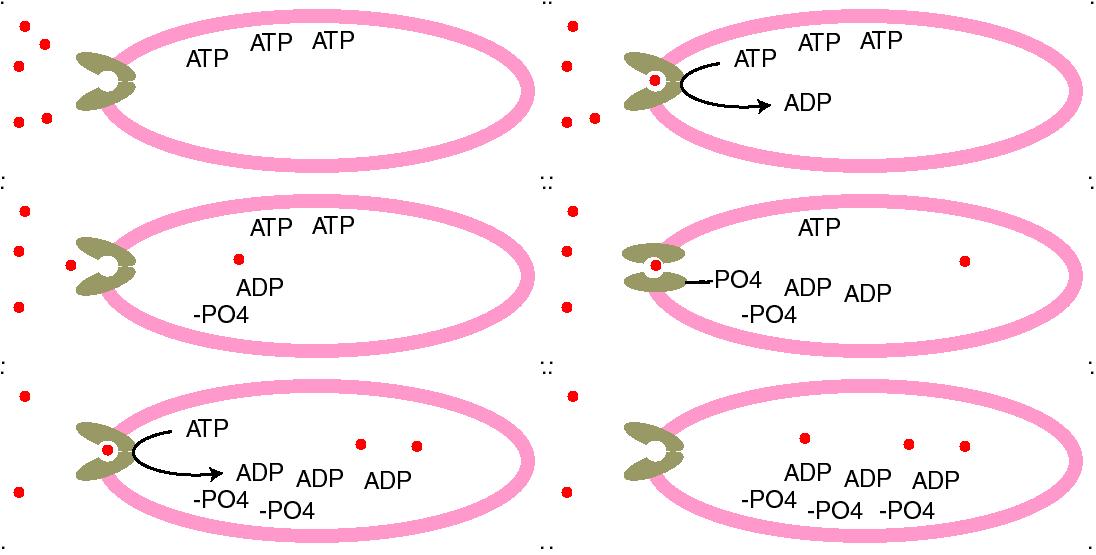
Active transport – An energy- consuming type of carrier (notice ATP being used) transports molecules (usually to an area of higher concentration – not visible in this animation)
Cotransport
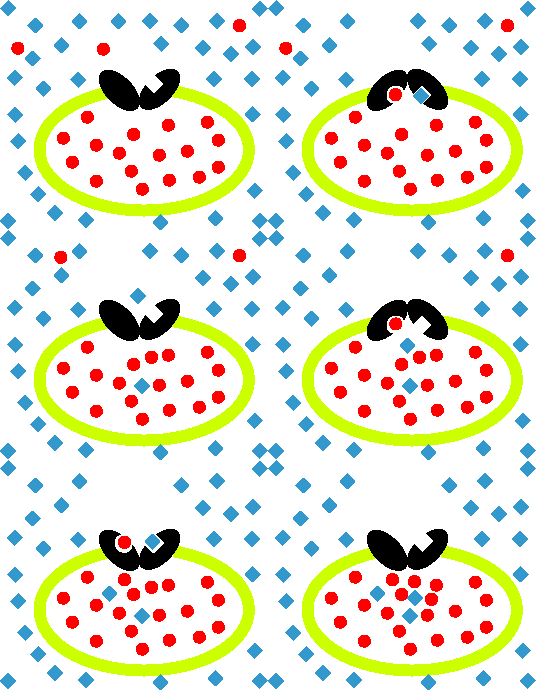
Cotransport (symport) involves more than one type of particle being transported by in the same direction at the same time by the same mechanism
Sodium-potassium Pump
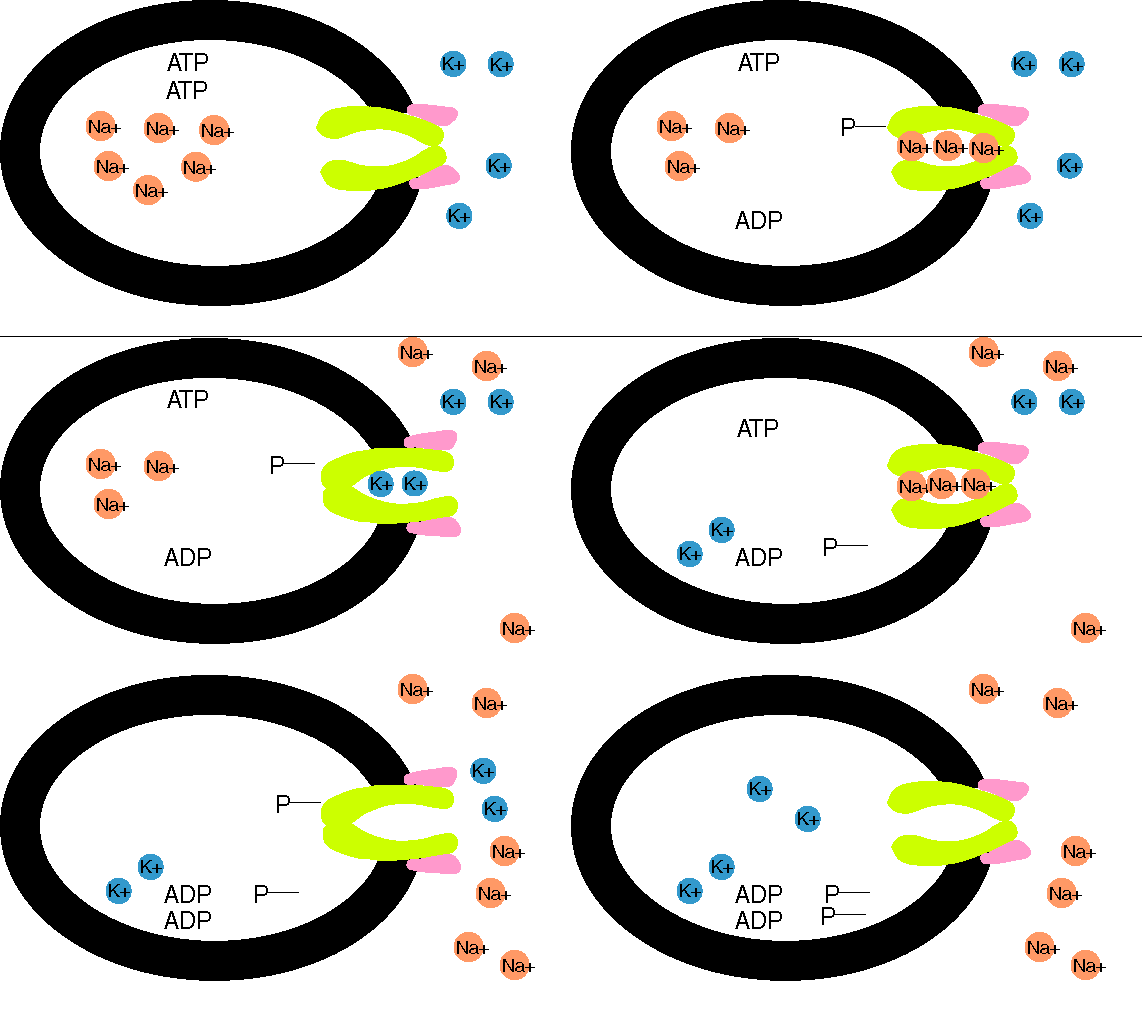
The sodium-potassium pump (Na+-K+ ATPase) is an example of countertransport in which two kinds of particles are transported at the same time in opposite directions by the same mechanism.
The Na+-K+ pump is present in all cells and is an important part of mechanisms that we’ll discuss later.
Endocytosis
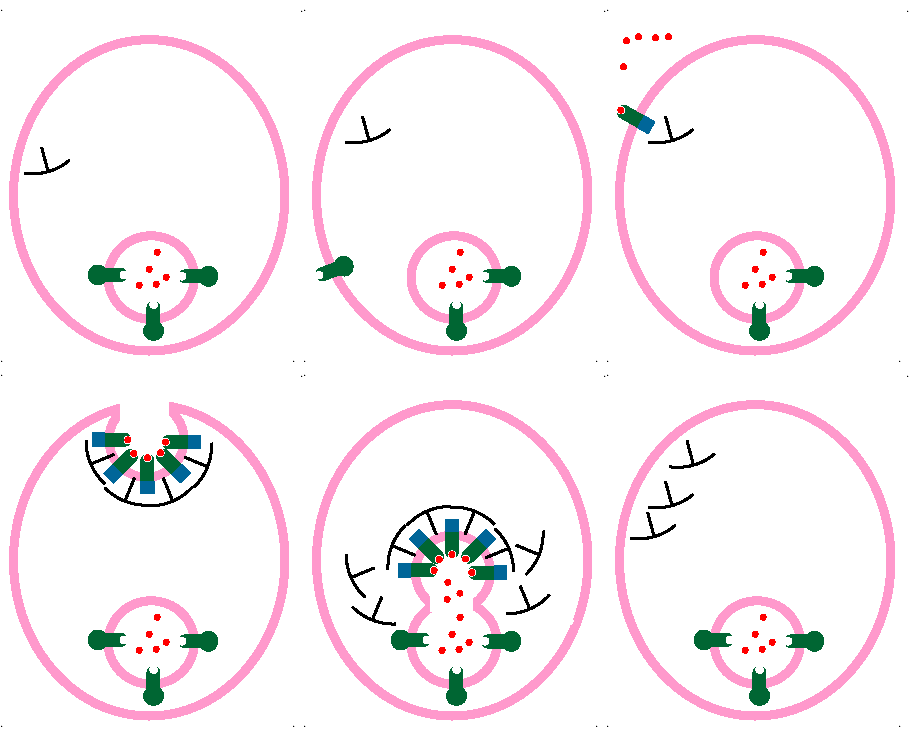
Endocytosis is a kind of bulk transport where large amounts of material are brought into a cell. Notice the role of receptors in identifying what is “good to eat” and that membrane is removed from the plasma membrane.
Exocytosis
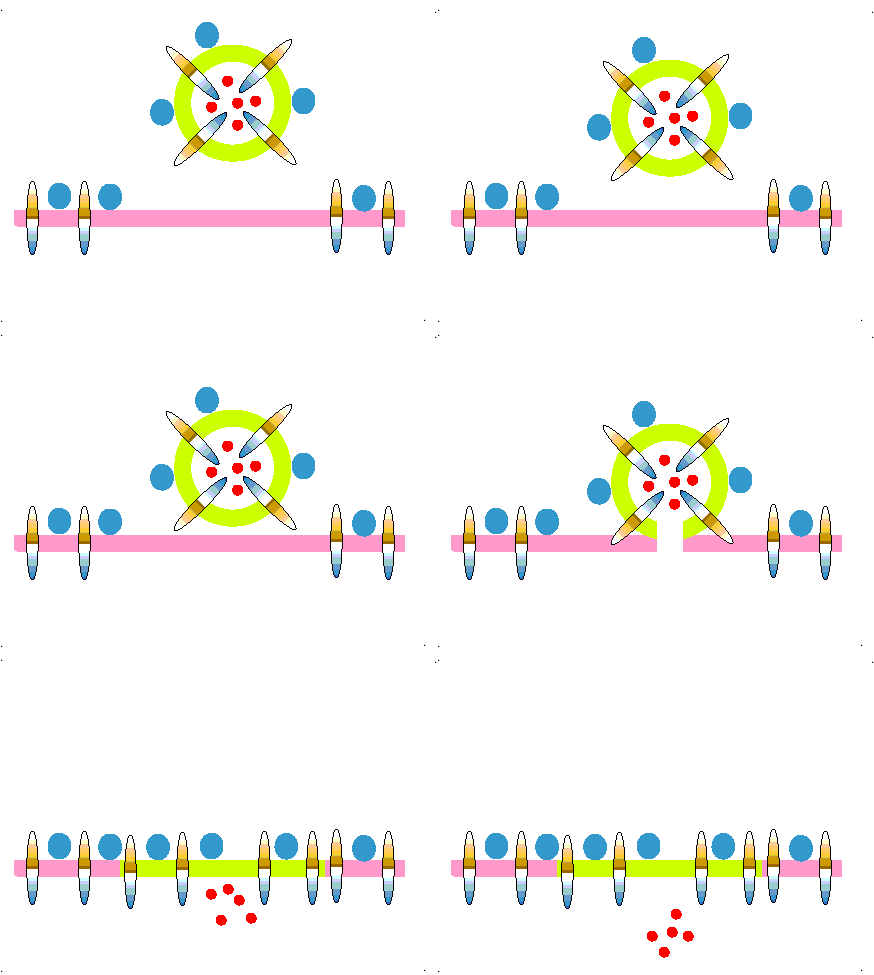
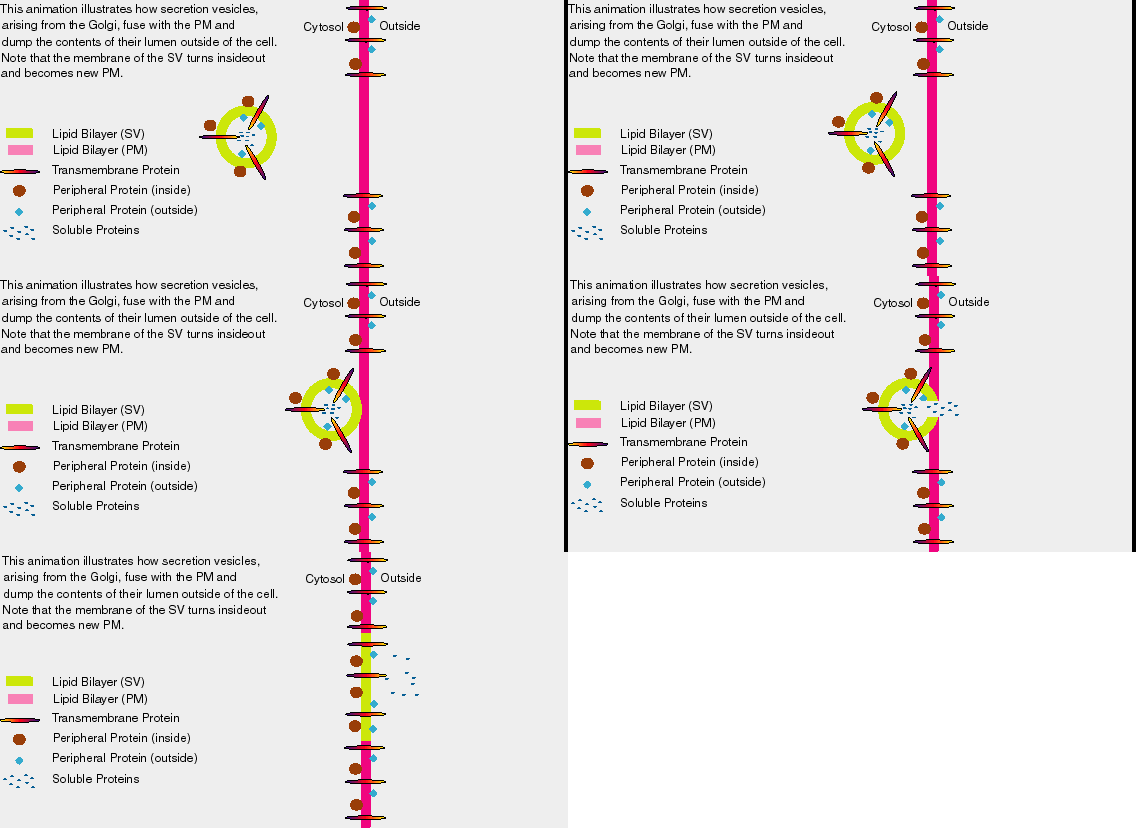
Exocytosis is a kind of bulk transport in which large amounts of material are moved out of a cell. Notice also that new membrane is added to the plasma membrane (from the secretion vesicle)
Permission to use the slides

Lion Den Slide Collection by Kevin Patton is licensed under a Creative Commons Attribution-NonCommercial-ShareAlike 3.0 Unported License.
Permissions beyond the scope of this license may be available only with Kevin’s express written permission.
LION DEN SLIDE COLLECTION
Special offer! Do you want the complete sets of hundreds of A&P slides? Most of them are animated slides! And many of them are not available separately on this website. Just fill out the handy dandy form!
Last updated: October 22, 2019 at 13:46 pm